Mountain Trekking · High Atlas
8-Day Toubkal and M’Goun Trek: Two 4,000 m Summits of the High Atlas
PriceOn requestQuote in a few hours
Details

This 6-day trek takes you to the top of Jebel Siroua (3,305 m), the volcanic summit that rises between the High Atlas and the Anti-Atlas, on a route that blends serious mountain walking with genuine village life. The massif is far more remote and much less visited than the Toubkal area, so you share the paths mainly with shepherds and villagers.
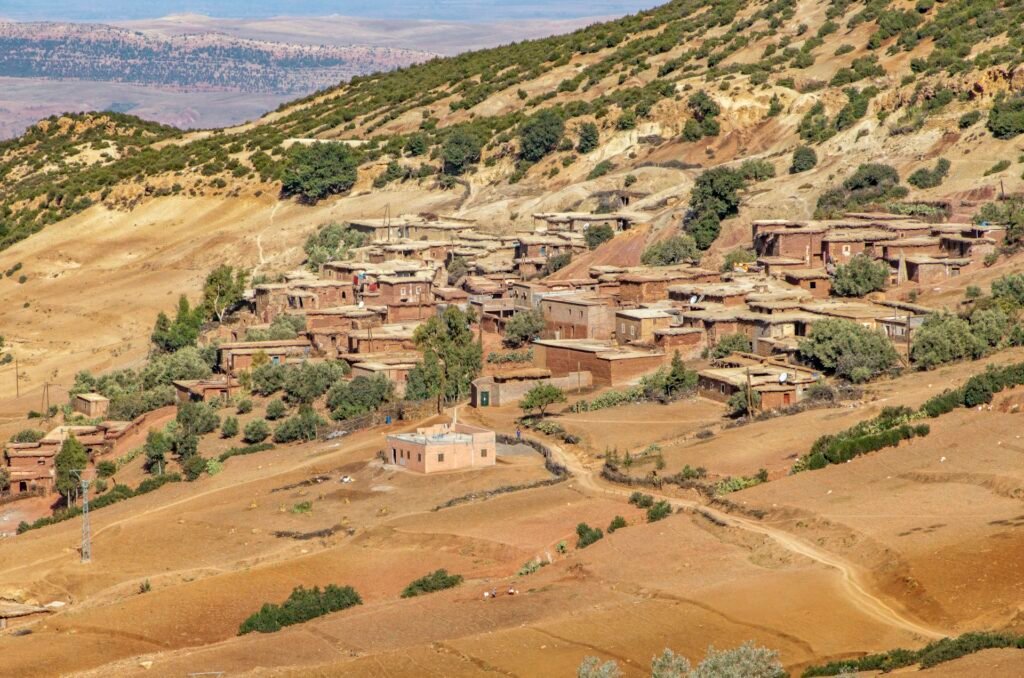
The journey begins with a drive of about 5 hours from Marrakech to Tamalakout (1,650 m), where you are welcomed into the home of one of the muleteers. From there you climb over dry plateaus to camp opposite Ait Tigga, visit its agadir, a collective granary said to be around 900 years old, and continue through Idoughagh and Ait Ighmour to the Col of Tachancht at 2,500 m. Summit day follows the southern slope of Siroua to the top, then descends past Tikniwine to the sheepfolds of Irhiri. A final walking day runs east along the watershed across the Irihi massif to Tamazikht, before the drive back to Marrakech.
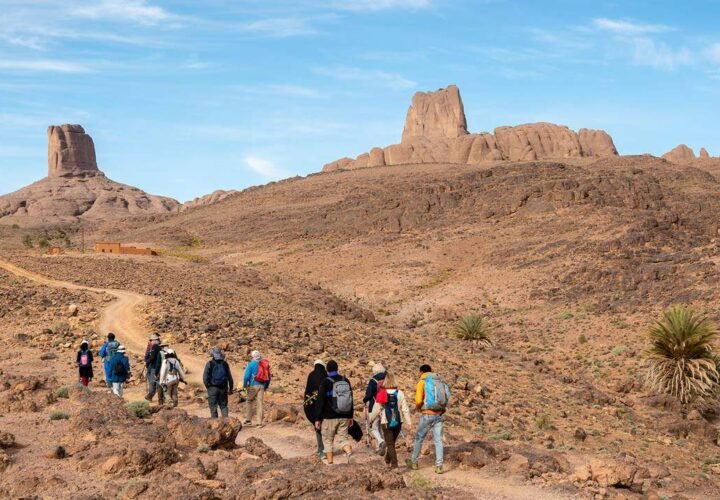
The trek is challenging, with 5 to 6.5 hours of walking a day, significant height gain and changeable mountain weather, so good fitness and previous trekking experience are needed. It runs from April to October. Meals cooked by the team, camping equipment, homestays, mules and muleteers, an experienced mountain guide and transfers are included; you bring your own 4-season sleeping bag. The price is on request.
Pick-up in Marrakech for a drive of about 5 hours across the High Atlas to Tamalakout, a village at 1,650 m on the edge of the Siroua massif. You are welcomed into the home of one of the muleteers, and in the late afternoon a short walk around the village introduces you to its fields, lanes and daily rhythm. Dinner is shared with the family, followed by a first night in the mountains. Overnight: homestay.
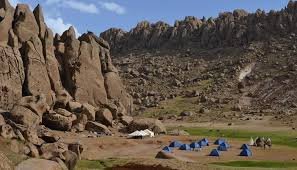
The mules are loaded and the trek begins, climbing out of Tamalakout onto dry, open plateaus with long views across the volcanic landscape. The path gains height steadily across this open, dry terrain and brings you to camp facing the village of Ait Tigga at around 1,950 m. The afternoon is free to rest and settle into camp life. Walking time: about 5 hours. Overnight: camping.
Start with a visit to the agadir of Ait Tigga, a fortified collective granary said to be around 900 years old, where families once stored grain and valuables. Continue through the villages of Idoughagh and Ait Ighmour (2,200 m), then climb to the Col of Tachancht at 2,500 m. Lunch is taken beside a spring at about 2,400 m before the trail leads on to camp near the foot of Siroua. Walking time: about 6.5 hours. Overnight: camping.
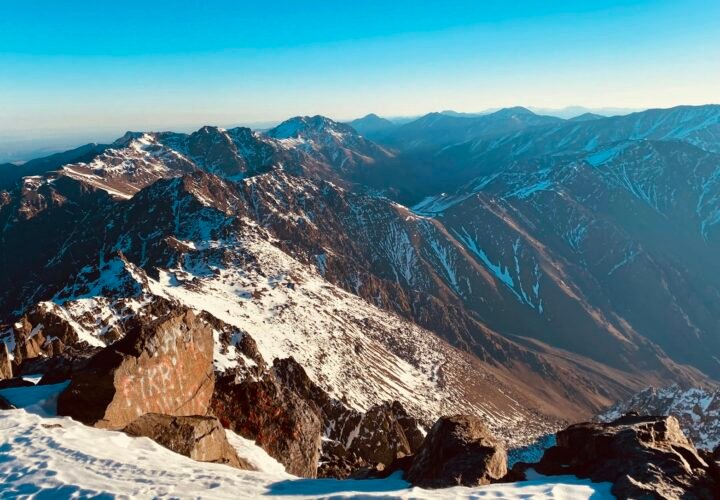
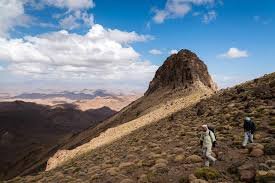
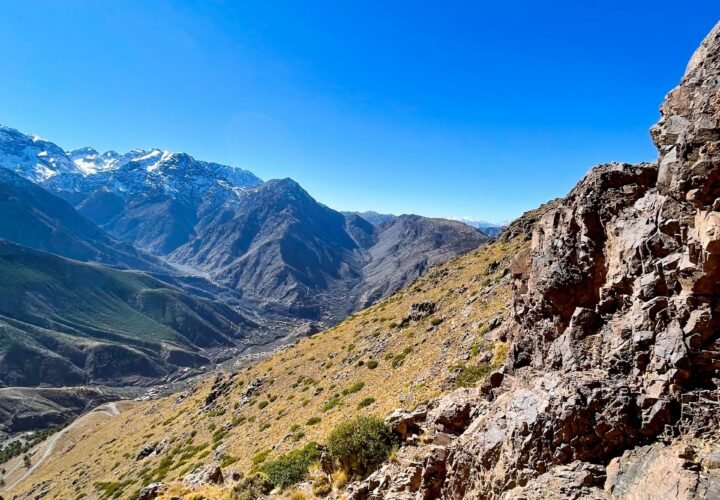
Summit day. You climb Jebel Siroua by its southern slope to stand on the top at 3,305 m, with views across the volcanic massif towards the High Atlas and the Anti-Atlas. Back at the foot of the summit, lunch gives you time to recover before the descent past Tikniwine to the shepherd pens of Irhiri, at around 2,300 m, where camp is set for the night. Walking time: about 6.5 hours. Overnight: camping.
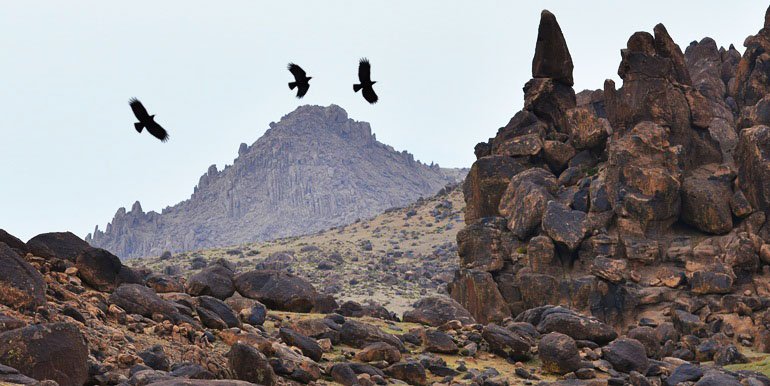
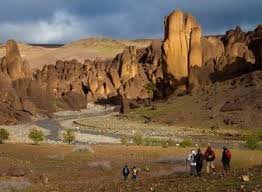
Head east along the watershed, crossing the Irihi massif towards Msitalla on a long and scenic day of ridges and valleys. The volcanic geology of the region is on show all day, with dark rock, deep ravines and wide horizons. Camp is set close to the village of Tamazikht at about 1,730 m for a final evening with the muleteers and cook. Walking time: about 6.5 hours. Overnight: camping.
After breakfast, say farewell to the muleteers and cook and board the vehicle for the drive back to Marrakech, arriving in the early afternoon. If you would rather continue your trip south, the transfer can be arranged to Ouarzazate instead. Either way, you leave with a 3,305 m summit and six days of mountain trails and village encounters that few travellers to Morocco ever experience.
It is challenging, with 5 to 6.5 hours of walking a day, significant height gain, steep sections and changeable weather. Good fitness and previous mountain trekking experience are needed.
It is a fortified collective granary said to be about 900 years old, where villagers stored grain and valuables. You visit it on the morning of day 3.
At 3,305 m serious altitude sickness is uncommon, but mild symptoms can occur. The route climbs gradually; drink plenty and tell your guide straight away about any headache, nausea or dizziness.
Your cook prepares Moroccan meals such as tagines, couscous and soups, and drinking water is purified. Special diets can be catered for with advance notice.
Siroua is a volcanic massif that is more remote and much less touristy than the Toubkal area, so you meet mainly shepherds and villagers on the trails.
Yes. Tents and mattresses are provided, but you need to bring a 4-season sleeping bag.