Mountain Trekking · High Atlas
8-Day Toubkal and M’Goun Trek: Two 4,000 m Summits of the High Atlas
PriceOn requestQuote in a few hours
Details

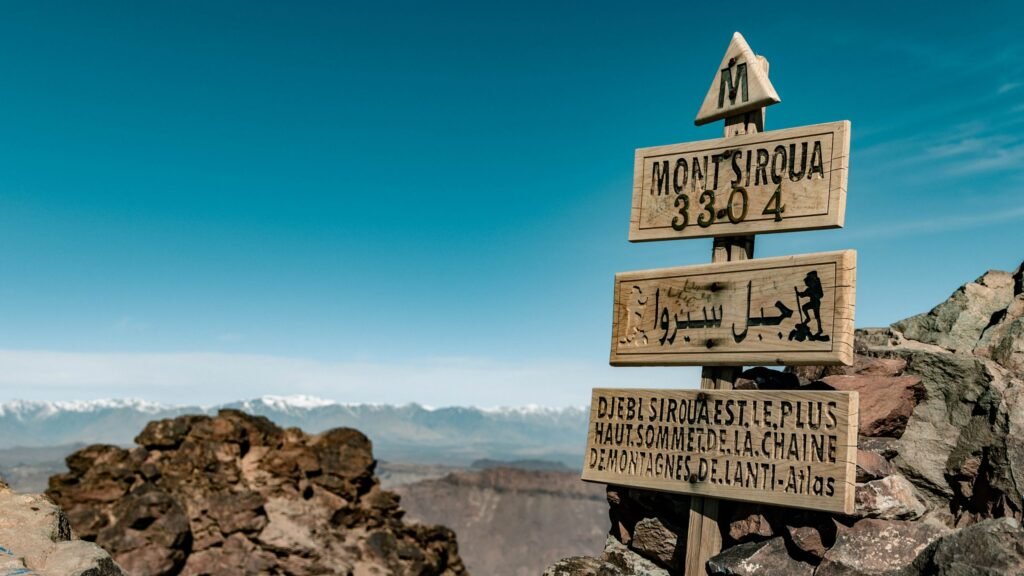
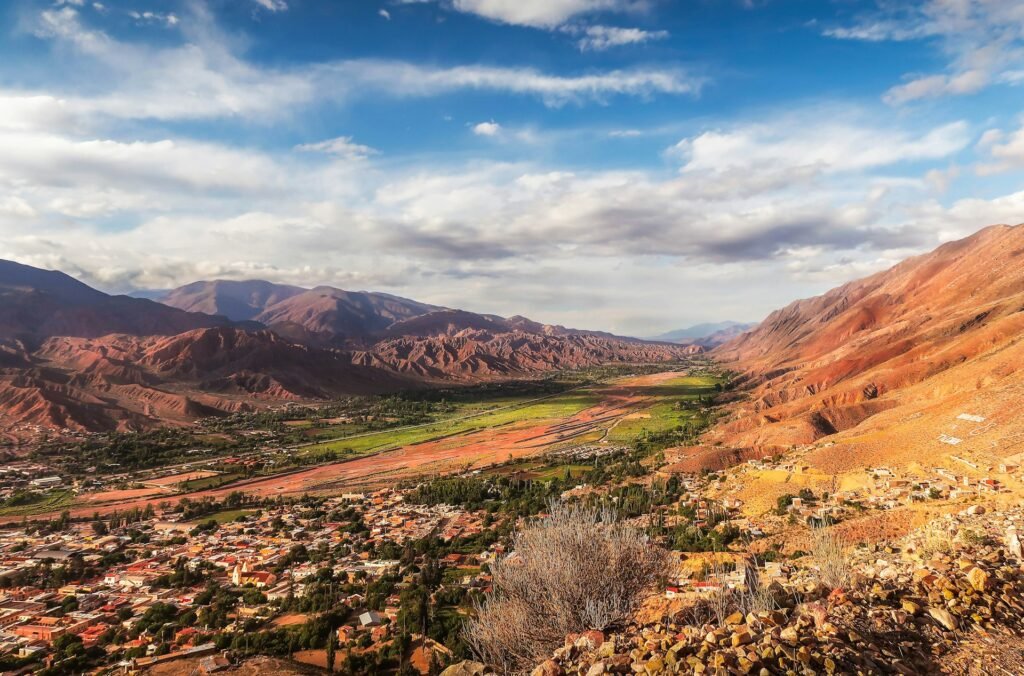
Jebel Siroua, also written Sirwa, is a volcanic peak that links the High Atlas and the Anti-Atlas, and its 3,305 m summit offers one of the widest panoramas in southern Morocco. This 7-day trek starts near Taliouine, the saffron town at the edge of the Anti-Atlas, and makes a full crossing of the massif: river valleys, terraced villages, high camps and a demanding summit day.
After a transfer from Marrakech, the first walk leads to Akhfamane (1,250 m) for a night in a Berber gîte. You then follow river valleys past Mazwad to Ti n’Iddr, before a strenuous climb of about 1,000 m beyond Atougha, the last village, to a high camp at Tegragra (2,650 m) below Jebel Guiliz. Summit day starts early with a 2–3 hour ascent that includes steep ground, some scrambling and a stretch of ridge, followed by a long descent to Tizgui. The last stages are gentler, passing Tagouyam, Tizlit and Ifrane before a final night at Tinfat and the drive back via Taliouine.
This is a challenging trek with 5 to 7 hours of walking per day, best done between March and November. A certified mountain guide, a cook, mules for the luggage, tents, mattresses and full board on the trek are included, together with transfers from and to Marrakech. Travel insurance is mandatory, and the price is available on request according to season and group size.
Early pick-up in Marrakech and transfer south to Taliouine, the saffron town on the edge of the Anti-Atlas. After meeting the muleteers, you start walking towards Akhfamane, a village at about 1,250 m, on a first stage of 4–5 hours that eases you into the rhythm of the trek. Dinner and overnight in a Berber guesthouse (gîte). If you reach Taliouine late in the day, the team can drive you straight to the village instead. Overnight: gîte.
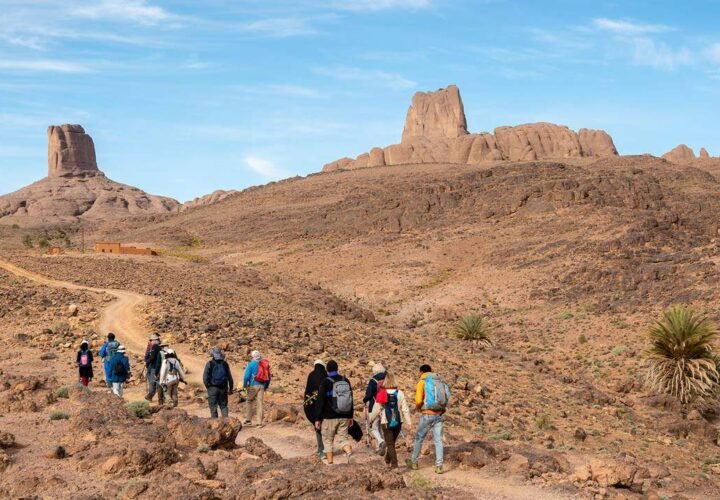
A full day of about 6 hours through river valleys and terraced villages, where small fields and stone houses cling to the slopes. The trail passes Mazwad and follows the valley upstream to Ti n'Iddr, where camp is set at around 1,600 m. There is little shade on this section, so a hat, sunscreen and plenty of water are essential. The evening is spent around camp as the cook prepares dinner. Overnight: camping.
The toughest approach day: 6–7 hours with roughly 1,000 m of ascent. After Atougha, the last village on the route, the path becomes steeper and climbs into wilder, more open country beneath Jebel Guiliz. Camp is set high at Tegragra, around 2,650 m, with sweeping views and a cold, clear night ahead. Take it slowly, drink often and enjoy the change of scenery as the villages fall behind. Overnight: camping.
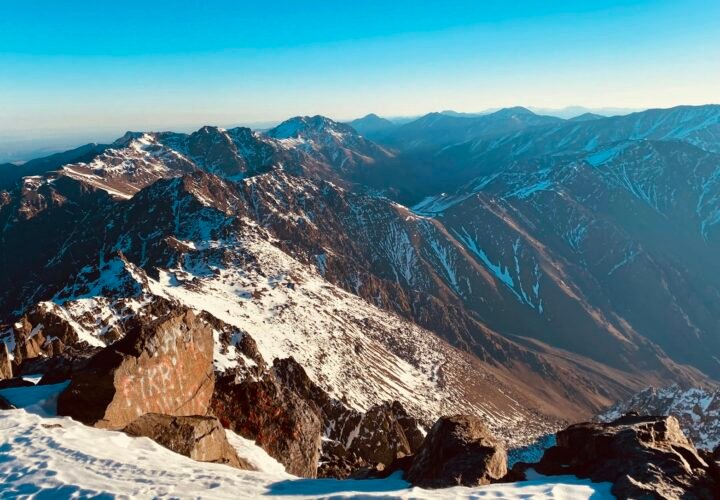
Summit day starts early. The climb to the top of Jebel Siroua takes 2–3 hours and includes steep sections, some easy scrambling and a stretch of ridge walking. From the summit at 3,305 m, the 360-degree panorama sweeps across the Atlas and Anti-Atlas ranges. After time to enjoy the view, a descent of about 4 hours leads down to Tizgui at 2,200 m, where camp is waiting. Overnight: camping.
After the effort of the summit, today is a gentler day of about 5 hours. The trail descends gradually through mountain villages such as Tagouyam, where you can see traditional architecture and farming life up close, and reaches the camp at Tizlit, at around 1,700 m. The afternoon leaves time to rest, chat with the team and watch the light fade over the peaks. Overnight: camping.
The longest distance of the trek, about 20 km, but on relatively easy ground. Over 6–7 hours you walk past terraced fields and villages, including Ifrane, as the landscape gradually opens up. The day ends at Tinfat, where the last night is spent in a guesthouse or at camp, depending on the season and the group. Enjoy a final dinner with the muleteers and cook. Overnight: guesthouse or camping.
After a final breakfast in the mountains, it is time to thank the muleteers and cook before the vehicle transfer back via Taliouine, a good place to pick up some local saffron. The road then crosses the mountains to Marrakech, where you are dropped off at your hotel or riad, ending a week in one of Morocco's least visited ranges.
It is challenging. Walking days last 5 to 7 hours, day 3 climbs about 1,000 m and summit day involves steep ground and some scrambling, so good fitness and hiking experience are needed.
The trek runs from March to November. In winter, cold and snow at altitude can make the summit impassable.
Serious altitude sickness is unlikely at 3,305 m, but mild symptoms are possible. The itinerary gains height gradually, and you should tell your guide straight away if you feel unwell.
You sleep in village guesthouses (gîtes) on the lower sections and in tents in the mountains; tents and mattresses are provided.
Siroua is a volcanic peak with 360-degree views over the Atlas and Anti-Atlas and far fewer visitors than Toubkal, so you trek through quiet villages and empty trails.